
Checkups, Cleanings & Prevention
The visits that keep you out of the chair later.
Gentle cleanings and thorough checkups, never rushed — so small problems get caught while they’re still small.
Schedule a visit Call or text 754-240-4820
Already a patient? Text 754-240-4820 to book your next cleaning.
Now welcoming new patients · No judgment if it’s been a while · English & Spanish
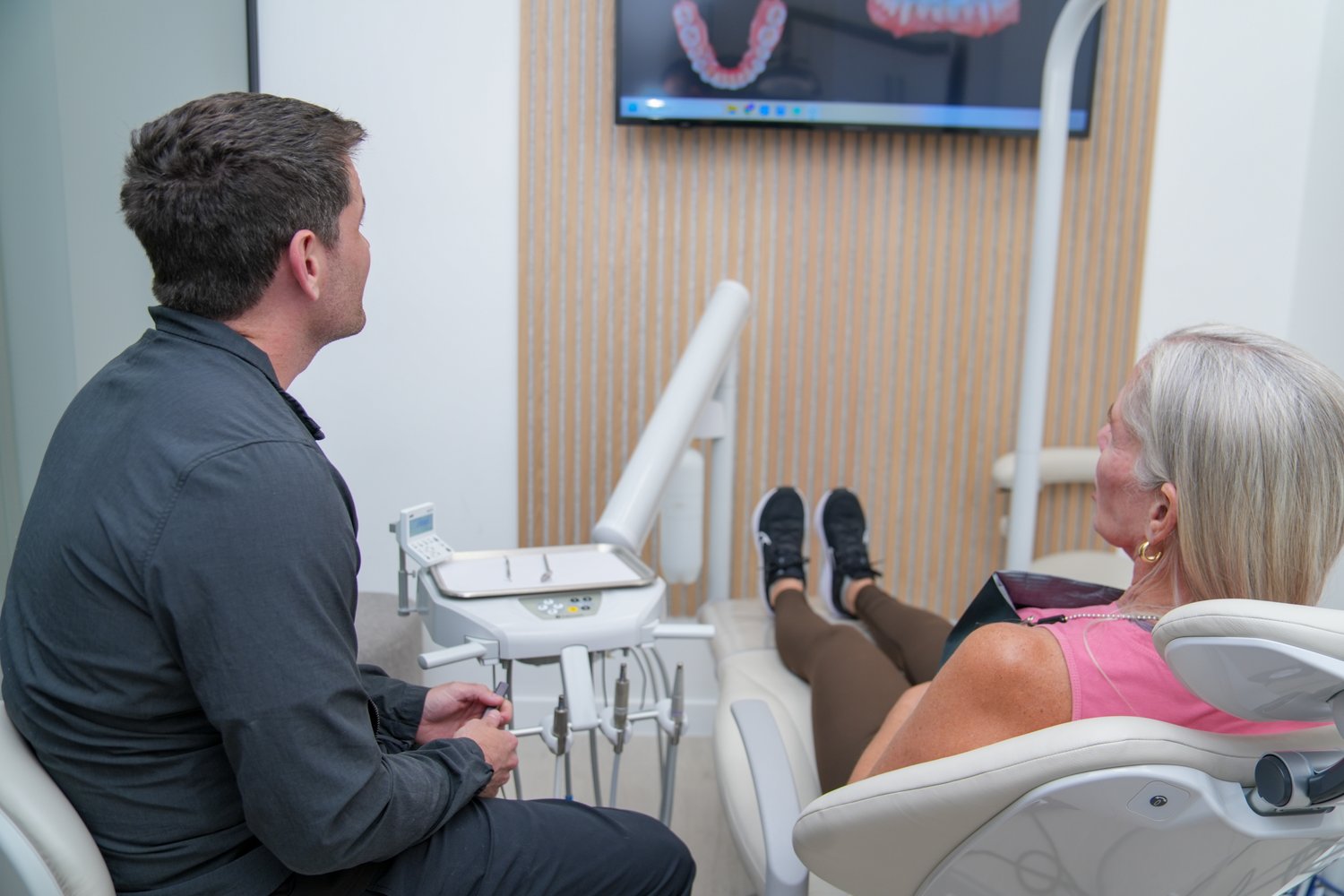
The best dentistry is the kind you end up not needing
Regular cleanings and exams are how we catch a small cavity before it becomes a root canal, or notice gum changes while they’re still easy to reverse. Most serious dental problems are cheaper, simpler, and more comfortable to handle early — prevention is where that starts.
Haven’t been in years? You’re in good company, and there’s no lecture here. A lot of our patients tell us on the first visit that it’s been a long time. We meet you where you are and build a plan from today forward.
How we decide what you actually need
Not everyone needs the same interval or the same cleaning. Here’s the honest framework we use:
- A six-month recall for healthy gums and low cavity risk — the sensible default when things are stable.
- A three-to-four-month periodontal maintenance when there are signs of gum disease, heavy tartar, or dry mouth — the interval that actually keeps it stable.
- A gingivitis cleaning (D4346) when the gums are inflamed — often after years away from professional cleanings — but there’s no bone or attachment loss yet. More thorough than a regular cleaning, without the numbing and root planing of a deep cleaning.
- A deep cleaning (scaling and root planing) only when gum measurements and X-rays show active disease below the gumline — and we show you the numbers.
- Watch and re-check when a finding is borderline — we photograph it, monitor it, and act only if it changes.
- A referral to a periodontist for advanced gum disease that needs specialist care — coordinated, not handed off and forgotten.
What’s included
- Comprehensive exams and digital X-rays (including 3D CBCT imaging when needed)
- Professional cleanings
- Gum health checks and periodontal care
- Oral cancer screenings
- Custom night guards for grinding and clenching
- Guidance you can actually use at home
Who we see
We care for teens and adults, in English and Spanish, across Coral Springs, Parkland, and Coconut Creek. When a child’s needs are complex enough to call for a pediatric specialist, they’re better served by one — and we’re glad to connect you with colleagues we trust.
Regular cleaning, gingivitis cleaning, or deep cleaning — what’s the difference?
These are three different procedures, and the distinction matters — it also affects cost and insurance:
| Regular cleaning (prophylaxis, D1110) | Gingivitis cleaning (D4346) | Scaling & root planing (“deep cleaning”, D4341/D4342) | |
|---|---|---|---|
| For | Healthy gums, maintenance | Inflamed, bleeding gums — often after years away from professional cleanings — but no bone or attachment loss | Gum disease with lost attachment |
| Cleans | Healthy gum pockets, all around the tooth | The whole mouth more thoroughly, above and just below the gumline | Deeper pockets, down the exposed root surface |
| Numbing? | No | Usually no | Usually yes |
| Visits | One | One | Often split across visits |
| Purpose | Prevent problems | Reverse gingivitis before it becomes gum disease | Treat infection, stop bone loss |
| Follow-up | Regular recall | Re-check, then regular recall | Periodontal maintenance |
We won’t upsell you into a deep cleaning you don’t need — but we also won’t polish over active gum disease and call it done, because that leaves the real problem untreated.
How often you really need to come in
The “every six months” rule is a sensible default, not a law. Someone with healthy gums and low cavity risk may do fine at six months; someone managing gum disease, heavy tartar buildup, or a dry mouth often needs a three-to-four-month periodontal maintenance interval to stay stable. We set your interval on what your gums and risk actually show — and we tell you why.
What to expect at your visit
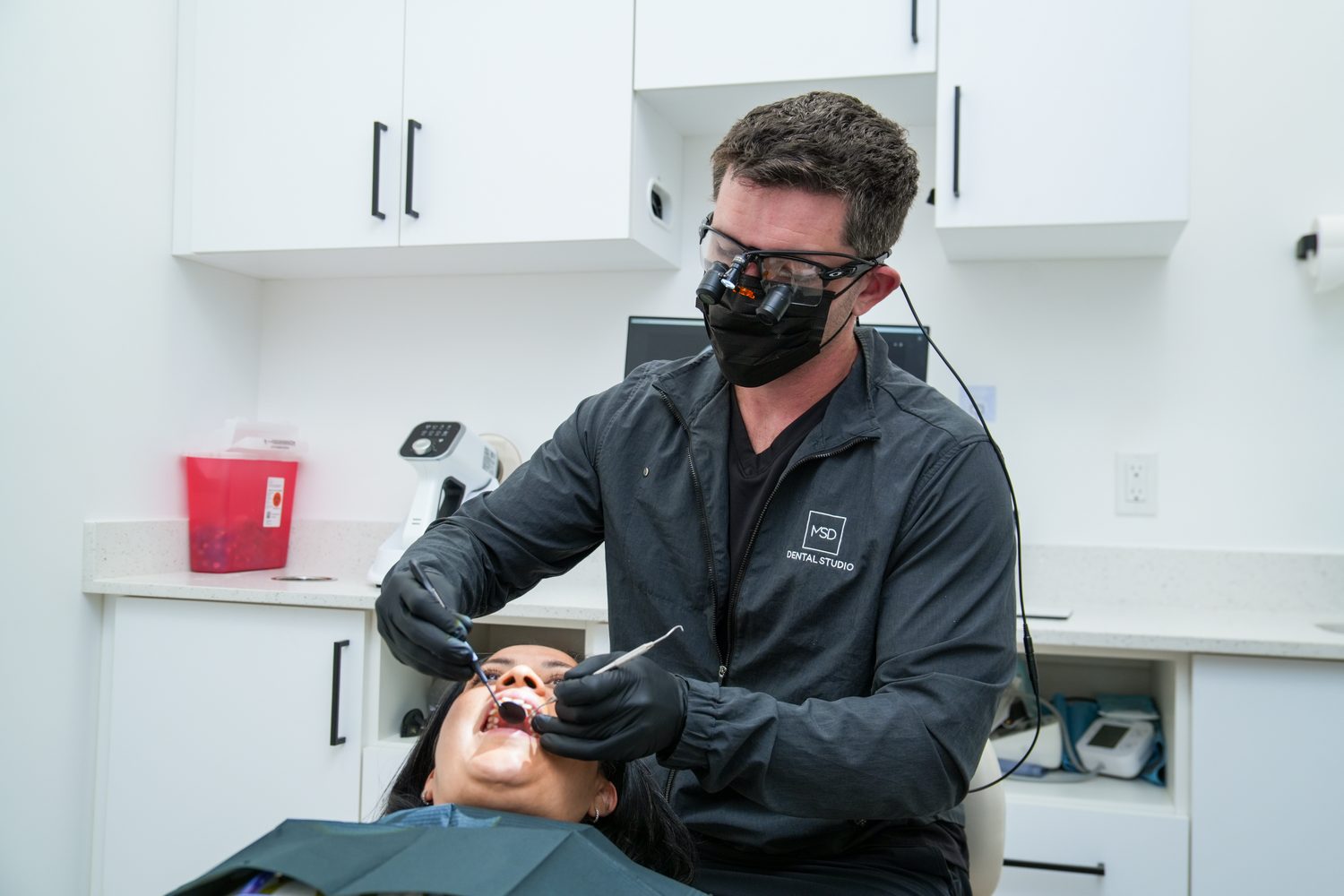
- A thorough exam. We check your teeth, existing work, bite, and soft tissues, and take digital X-rays or 3D imaging only as needed.
- Gum-health measurements. We measure around each tooth and note any bleeding or pockets — the numbers that tell us what your gums need.
- Oral-cancer screening. Quick, painless, and part of every checkup.
- Your cleaning. The right level for your gums — a regular cleaning when healthy, or a plan to treat disease when it’s present.
- What we found, in plain language. We show you the images and explain what’s healthy and what isn’t — no jargon, no pressure.
- Your plan & recall. Any next steps, an itemized number if treatment is needed, and the recall interval that fits your risk.
Gum health isn’t optional
Periodontal (gum) disease is far more common than most people realize — research from the CDC shows nearly half of adults over 30 have some form of it, and the risk only climbs with age. Because it’s often painless in its early stages, it’s easy to miss until it’s already advanced.
So when we recommend periodontal treatment, it isn’t a preference or an upsell — it’s a protocol grounded in the standard of care, meant to protect your health. We’ll always show you what we’re seeing and explain why a step matters; the goal is never to do more than you need, only what keeps your gums — and the rest of you — healthy.
A note from Dr. Shantall
My goal as your dentist is, oddly enough, for you to need me less. The part of dentistry that fascinates me most is understanding why teeth break down in the first place — and helping you stop small problems before they ever turn into big ones.
So at your checkups I’ll take the time to show you what I’m seeing and explain what’s actually driving it. Healthy teeth aren’t luck; they come from catching things early and understanding your own oral health.
— Dr. Shantall Di Loreto, DDS
Common misconceptions
- “If nothing hurts, my teeth are fine.” Cavities and gum disease are usually painless until they’re advanced. That’s exactly why regular checks matter.
- “Bleeding gums are normal.” Bleeding is a sign of inflammation — often reversible when caught early.
- “A deep cleaning is just an upsell.” It’s a real treatment for a real diagnosis, and we only recommend it when the measurements show disease.
- “Everyone needs a cleaning every six months.” Some need more, some less — the right interval depends on your gums and risk.
- “Dental X-rays are dangerous.” Digital X-rays use a very low dose and are taken only when they’ll actually inform your care.
Related reading
Related care
Prevention connects to the rest of your care: restorative dentistry when a problem is caught, comfort & sedation care if you’re nervous or in pain, and our new-patient first visit to get started. See insurance & membership options for costs.
Sources & further reading
- American Dental Association — MouthHealthy — patient guidance on cleanings, gum health, and cavities.
- CDC — Oral Health — U.S. data on gum disease and prevention.
General references for the topics on this page. See our editorial & clinical-review policy.
Patient guides — how the decision is made
Doctor-reviewed guides that walk through the choices on this page in plain language:
FAQ
Frequently asked questions
How often should I get a cleaning?
It depends on your gum health, not a fixed schedule. Many healthy patients do well every six months, but if there are signs of gum disease, more frequent periodontal maintenance (often every three to four months) is what keeps things stable. We base the interval on what your gums actually need — and we'll always explain why.
What's the difference between a regular cleaning and a deep cleaning?
A regular cleaning (prophylaxis) is for healthy gums and cleans the tooth and the shallow pocket around it. A gingivitis cleaning (D4346) sits in between: for gums that are inflamed and bleeding — often after years without professional cleanings — but with no bone or attachment loss; it's more thorough than a regular cleaning and usually needs no numbing. A deep cleaning (scaling and root planing) is a treatment for gum disease that has cost you attachment, and it cleans the root surface inside deeper pockets, usually with the area numb. They're different procedures with different costs.
Do I really need a deep cleaning, or is it an upsell?
We only recommend one when gum measurements and X-rays show active gum disease — and we show you those numbers so you can see why. We won't push a deep cleaning you don't need, and we won't polish over disease and pretend it's fine either.
How much does a cleaning cost, and is it covered by insurance?
Most dental insurance covers regular cleanings and exams at or near 100%, usually twice a year, and we check your benefits before your visit. Without insurance, our in-house membership plan bundles cleanings, exams, and X-rays at a simple annual rate.
Are dental X-rays safe, and how often do I need them?
Digital X-rays use a very low dose of radiation and are considered safe. We take them based on your needs and risk, not a fixed schedule — often bitewings about once a year for healthy adults, more or less depending on your situation.
My gums bleed when I brush — is that normal?
Bleeding usually means inflammation (gingivitis), not something to ignore. The good news: caught early, it's often reversible with a cleaning and better home care. We'll check your gums and show you exactly where to focus.
Can gum disease be reversed?
Early gum disease (gingivitis) can often be reversed. More advanced disease (periodontitis) can be controlled and stabilized but not fully undone, which is why catching it early matters so much. We'll tell you honestly where you stand.
Does a cleaning hurt?
A regular cleaning is usually comfortable. If your gums are inflamed it can be more tender, and for a deep cleaning we numb the area. Tell us if you're sensitive and we'll adjust.
¿Hablan español?
Sí. La Dra. Shantall y nuestro equipo la atienden con calidez, en español, y le explican todo lo que vemos.
More doctor-reviewed guides on this and related decisions: browse the patient guide library →
Due for a cleaning?
Now welcoming new patients — we’ll take our time, show you what we see, and there’s no judgment if it’s been a while.
Schedule a visit Or call or text 754-240-4820Already a patient? Text 754-240-4820 to book your next cleaning.