
Your toothbrush is one of the most important tools in your oral hygiene arsenal, yet it’s probably something you don’t think about much beyond those two minutes of brushing each day. When was the last time you actually replaced your toothbrush? If you can’t remember, you’re not alone. Many people use their toothbrushes far longer than they should, unknowingly compromising their oral health in the process.
The question of how often to change your toothbrush seems simple on the surface, but there’s more to it than just following a rigid schedule. Understanding why replacement matters, what signs to look for, and which factors might require more frequent changes can help you maintain optimal oral hygiene and get the most out of your brushing routine.
The Standard Rule: Every Three to Four Months
The American Dental Association recommends replacing your toothbrush every three to four months, or sooner if the bristles become frayed or worn. This guideline is based on research showing that toothbrush effectiveness diminishes significantly after this timeframe, even if the brush doesn’t look particularly worn to the naked eye.
But why three to four months specifically? This timeframe represents the point at which most toothbrushes experience enough bristle degradation to impact their cleaning effectiveness. The bristles start to lose their original shape and stiffness, becoming bent, frayed, and less capable of properly removing plaque and food particles from your teeth and gums.
Think of it like the tires on your car. They might look fine at first glance, but the tread wears down gradually with use until they can no longer grip the road effectively. Your toothbrush bristles undergo similar wear, and by the three-month mark, they’ve typically accumulated enough damage to warrant replacement.
This standard recommendation applies to both manual and electric toothbrush heads. While the handle of an electric toothbrush can last for years, the brush head itself needs replacement on the same schedule as a manual toothbrush. Many people forget this and use electric toothbrush heads far longer than they should, negating many of the benefits of having an electric toothbrush in the first place.
What Happens to Your Toothbrush Over Time
Understanding why toothbrush replacement matters can help motivate you to actually stick to a replacement schedule. The reasons go beyond just bristle wear, though that’s certainly important. As your toothbrush ages, several things happen that compromise its effectiveness and potentially your health.
Worn bristles are less effective at removing plaque. Fresh toothbrush bristles have specific shapes and angles designed to reach between teeth and along the gum line. As these bristles bend and fray, they lose their ability to access these crucial areas. Studies have shown that worn toothbrushes remove significantly less plaque than new ones, even when used with the same brushing technique.
The bristle tips also become rough and damaged over time. What starts as smooth, rounded bristle ends becomes jagged and irregular. These damaged bristles can actually irritate your gums rather than clean them gently, potentially causing recession or sensitivity. If you’ve ever noticed your gums feeling more sensitive or irritated than usual, your aging toothbrush might be the culprit.
Bacteria accumulation is another significant concern. Your toothbrush lives in your bathroom, often in a humid environment that’s ideal for bacterial growth. Every time you brush, bacteria from your mouth transfer to your toothbrush. While rinsing helps remove some of these microorganisms, they accumulate in the bristles over time. After three months of regular use, your toothbrush has become home to significant bacterial colonies, even if you can’t see them.
Warning Signs: When to Replace Before the Three-Month Mark
While three to four months is the standard guideline, several situations warrant earlier replacement. Learning to recognize these signs ensures you’re always brushing with an effective tool.
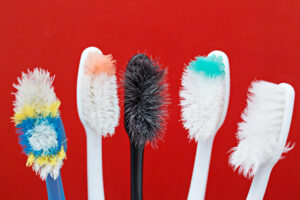
Visible bristle wear is the most obvious indicator. If your bristles are bent, frayed, or splaying outward, it’s time for a new brush regardless of how long you’ve been using it. Hold your toothbrush up and look at the bristles from the top. If you can see the bristles spreading out beyond the width of the brush head, they’re no longer effective.
Some people are harder on their toothbrushes than others due to brushing technique or pressure. If you’re someone who brushes vigorously or applies heavy pressure, you’ll likely wear out bristles faster than the average person. This is actually a sign that you should work on using a gentler technique, but in the meantime, you’ll need to replace your brush more frequently.
Color change indicators on some toothbrushes can be helpful reminders. Many modern toothbrushes include bristles that fade or change color as they wear out, providing a visual cue that it’s time for replacement. While not perfectly accurate, these indicators can be useful prompts for people who struggle to remember replacement schedules.
After illness, you should always replace your toothbrush once you’ve recovered. When you’re sick with a cold, flu, strep throat, or any other illness, your toothbrush becomes contaminated with whatever pathogens are making you sick. Using that same brush after recovery can potentially reintroduce those bacteria or viruses into your system.
When You Need to Replace More Often
Certain situations and conditions may require you to change your toothbrush more frequently than the standard recommendation. Understanding these circumstances helps you tailor your replacement schedule to your specific needs.
If you have gum disease or are recovering from oral surgery, your dentist might recommend more frequent replacement. The bacteria associated with gum disease can colonize your toothbrush, and using the same brush throughout treatment can make it harder to resolve the infection. Some periodontists recommend replacing your brush every month during active gum disease treatment.
People with compromised immune systems should consider more frequent replacement as well. If you’re undergoing chemotherapy, taking immunosuppressive medications, or have any condition that affects your immune function, the bacteria on your toothbrush pose a greater potential health risk.
Children often need toothbrush replacement more frequently than adults. Kids tend to chew on bristles, use more pressure, or simply be rougher on their toothbrushes. Check children’s toothbrushes regularly and replace them at the first sign of wear, even if it’s been less than three months.
Electric Toothbrush Heads: Same Rules Apply
Electric toothbrush users sometimes extend their replacement schedules because replacement heads can be expensive. This is false economy that compromises your oral health. The same three to four-month rule applies to electric toothbrush heads, and using worn heads negates much of the benefit you’re paying for with an electric toothbrush.
Most major electric toothbrush brands include indicator bristles that fade to remind you when replacement is due. Take these indicators seriously. The manufacturers have researched the optimal replacement timing for their specific products, and these indicators reflect that research.
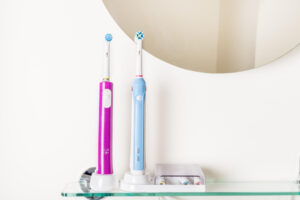
The good news is that generic replacement heads are often available for popular electric toothbrush models at lower prices than brand-name replacements. While quality can vary, many generic options work well and make more frequent replacement more affordable. Just ensure the heads are compatible with your specific toothbrush model.
Consider buying replacement heads in multi-packs to reduce per-unit cost and ensure you always have a fresh head available. Having replacements on hand removes the temptation to put off replacement because you need to go to the store or place an online order.
Proper Toothbrush Care Between Replacements
While regular replacement is essential, proper care between replacements helps maximize your toothbrush’s effectiveness and hygiene. These simple practices can make each toothbrush last its full three to four months while remaining as clean as possible.
Rinse your toothbrush thoroughly after each use. Hold it under running water and use your thumb to work through the bristles, removing any toothpaste residue and debris. This simple step removes a significant amount of bacteria and prevents buildup.
Store your toothbrush upright in an open container that allows air circulation. Never store a damp toothbrush in a closed container, as this creates an ideal environment for bacterial growth. The bristles need to air dry between uses to minimize bacterial colonization.
Keep your toothbrush separate from other toothbrushes. Toothbrushes stored touching each other can share bacteria, essentially cross-contaminating one another. If you must store multiple brushes in the same holder, ensure they’re not in direct contact.
Never share toothbrushes with anyone, even family members or romantic partners. This exposes you to their bacteria, viruses, and potential oral health problems. Each person should have their own toothbrush that’s never shared under any circumstances.
Creating a Replacement Schedule You’ll Follow
Knowing you should replace your toothbrush every three to four months is one thing; actually remembering to do it is another. Creating systems and reminders can help you stick to an appropriate replacement schedule.

Calendar reminders work well for many people. Set a recurring reminder in your phone or digital calendar for every three months. When the reminder pops up, replace your toothbrush that day rather than dismissing the reminder with intentions to do it “soon.”
Associate replacement with other regular events. Some people replace their toothbrush at the beginning of each season, using the natural quarterly division of the year as a memory aid. Others link it to routine events like changing smoke detector batteries or scheduling dental cleanings.
Subscription services take the thinking out of the equation entirely. Many companies now offer toothbrush or brush head subscriptions that automatically ship replacements every three months. You’ll pay a bit more than buying in bulk yourself, but the convenience and automatic timing ensure you always have fresh brushes available.
Buy toothbrushes in bulk and keep them in a visible location. Having extras in your bathroom cabinet makes replacement easy when you notice wear or when three months have passed. The visibility also serves as a reminder that replacement is simple and accessible.
The Cost-Benefit Analysis: Is Regular Replacement Worth It?
Some people resist frequent toothbrush replacement because of the cost, especially for electric toothbrush heads or premium manual brushes. Let’s put this in perspective.
A decent quality manual toothbrush typically costs between three and six dollars. Replacing it every three months means spending 12 to 24 dollars per year on toothbrushes. Electric toothbrush heads range from about five to 15 dollars each, translating to 20 to 60 dollars annually.
Compare this to the cost of dental problems caused by inadequate oral hygiene. A single cavity filling can cost 150 to 300 dollars without insurance. Root canals run into the thousands. Gum disease treatment is expensive and time-consuming. Viewed in this context, spending 20 to 60 dollars per year on fresh toothbrushes is one of the most cost-effective health investments you can make.
Beyond financial costs, consider the health implications. Poor oral hygiene doesn’t just affect your teeth and gums. Research increasingly links oral health to systemic conditions including heart disease, diabetes complications, and respiratory infections. Using an effective toothbrush is a simple way to protect both your oral and overall health.
Common Myths About Toothbrush Replacement
Several myths persist about toothbrush care and replacement. Understanding the facts helps you make better decisions about your oral hygiene tools.
Boiling or microwaving your toothbrush doesn’t extend its life. While these methods might kill some bacteria, they can also damage the bristles and handle, making the brush less effective. They don’t address the fundamental issue of bristle wear, which is the primary reason for replacement.
Expensive toothbrushes don’t last longer. All toothbrushes, regardless of price, need replacement every three to four months. More expensive brushes might have better features or more comfortable designs, but they experience the same bristle degradation over time.
Looks can be deceiving. Bacterial accumulation and microscopic bristle damage occur even when visible wear isn’t apparent. The three-month timeline accounts for these invisible factors that you can’t see with the naked eye.

Your Action Plan: Starting Today
If you can’t remember when you last changed your toothbrush, replace it today. Consider it a fresh start for your oral hygiene routine. While you’re at it, evaluate your entire oral care setup and make any necessary improvements.
Set up your preferred replacement reminder system now, while you’re thinking about it. Whether that’s a calendar alert, a subscription service, or bulk purchasing with marked replacement dates, implement your system immediately rather than putting it off.
Take a moment to properly clean and store your new toothbrush. Establish good habits from day one, including thorough rinsing after use and upright storage that allows air drying.
Share this information with family members. Make sure everyone in your household understands the importance of regular toothbrush replacement and has a system in place to make it happen.
The Bottom Line: Small Investment, Major Impact
Changing your toothbrush every three to four months is one of the simplest, most cost-effective things you can do for your oral health. It requires minimal time, modest financial investment, and no special skills or knowledge. Yet this simple habit can significantly impact the effectiveness of your oral hygiene routine and your long-term dental health.
Stop overthinking it. Mark your calendar, set your reminder, or sign up for a subscription. Make toothbrush replacement an automatic habit rather than something you have to remember and decide about each time. Your teeth, gums, and overall health will benefit from this small but important commitment to proper oral hygiene.